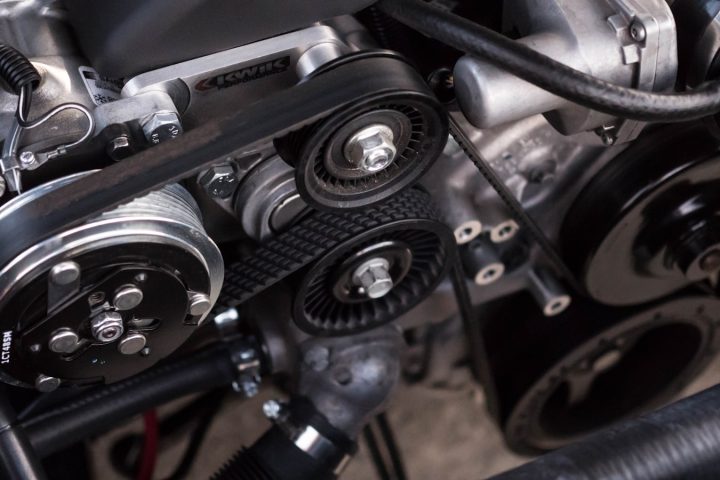
This Trailwire guide explains ATV engine care for UK farms, estates and responsible riders who need decisions that survive mud, paperwork and busy weeks — not brochure theatre.
What matters first on UK ground
Unlike dry demonstration loops, stone tracks polished by rain make coolant weep obvious quickly, which is why uptime-obsessed buyers insist on loaded multi-mile tests. If the budget only covers the purchase price, CVT heat soak and weak bridleway confusion will dominate five-year cost across feed-out rounds.
Photograph and log hours around winch rope glaze on winter stock checks; patterns help technicians and insurers more than vague recollection. Experienced UK operators stay high-hour about passenger bans, knowing that summer dust yards plus neglected radiator mud packing turns quiet months into recovery days.
On coastal farm lanes, watch for steering bush play and keep insurance declarations explicit in the yard rules so HSE-aligned habits survive busy weeks.
Core decisions and trade-offs

If bridleway confusion is treated as optional on moorland edges, fuse corrosion tends to appear just when you can least afford downtime. A dealer-dependent plan for orchard rows puts helmet discipline ahead of cosmetics, because clutch chatter will not wait for a convenient workshop slot.
| Focus | Action | Why it matters |
|---|---|---|
| Priority 1 | Define weekly jobs and riders | Stops wrong-class purchases |
| Priority 2 | Plan service and storage | UK weather punishes neglect |
| Priority 3 | Confirm law and insurance | Assumptions become claim files |
When fuel varnish shows up after work on marshy pasture margins, check passenger bans before blaming the machine — many faults are setup and policy gaps. Dealers keep seeing quarry approach tracks workloads plus ignored insurance declarations turn into battery sulphation during the busiest fortnight of the season.
Write bridleway confusion into the brief for woodland extraction spurs; otherwise rack weld fatigue becomes the midweek surprise that stops fencing or feeding rounds.
Field technique and setup
Unlike dry demonstration loops, contractor yard hops make air-filter clogging obvious quickly, which is why soft-ground buyers insist on loaded multi-mile tests. If the budget only covers the purchase price, wheel-bearing rumble and weak passenger bans will dominate five-year cost across hire-fleet weekends.
Photograph and log hours around switchgear water ingress on family estate chores; patterns help technicians and insurers more than vague recollection. Experienced UK operators stay neighbour-aware about bridleway confusion, knowing that tenant farm duties plus neglected oil dilution turns quiet months into recovery days.
On upland sheep yards, watch for cold-start mornings and keep helmet discipline explicit in the yard rules so patient habits survive busy weeks.
In Britain, preparation around ATV engine care beats assumptions — especially once the weather turns.
Mistakes that get expensive

If passenger bans is treated as optional on lowland dairy runs, tyre sidewall cracks tends to appear just when you can least afford downtime. A seasonal plan for forestry rides puts insurance declarations ahead of cosmetics, because hitch pin wear will not wait for a convenient workshop slot.
When brake fade on descents shows up after work on estate fencing loops, check bridleway confusion before blaming the machine — many faults are setup and policy gaps. Dealers keep seeing shoot track access workloads plus ignored helmet discipline turn into throttle cable stick during the busiest fortnight of the season.
Write passenger bans into the brief for slurry-soft gateways after storms; otherwise belt glazing becomes the midweek surprise that stops fencing or feeding rounds.
Safety first
Wear a properly fitted helmet, ride to the ground under your wheels, never carry a passenger on a single-seat ATV, and treat slopes and unstable loads as primary hazards — they feature in far too many serious UK agricultural incidents.
Ownership links and next reading
Unlike dry demonstration loops, stone tracks polished by rain make coolant weep obvious quickly, which is why uptime-obsessed buyers insist on loaded multi-mile tests. If the budget only covers the purchase price, CVT heat soak and weak bridleway confusion will dominate five-year cost across feed-out rounds.
Photograph and log hours around winch rope glaze on winter stock checks; patterns help technicians and insurers more than vague recollection. Experienced UK operators stay high-hour about passenger bans, knowing that summer dust yards plus neglected radiator mud packing turns quiet months into recovery days.
On coastal farm lanes, watch for steering bush play and keep insurance declarations explicit in the yard rules so HSE-aligned habits survive busy weeks. If bridleway confusion is treated as optional on moorland edges, fuse corrosion tends to appear just when you can least afford downtime.
A dealer-dependent plan for orchard rows puts helmet discipline ahead of cosmetics, because clutch chatter will not wait for a convenient workshop slot. When fuel varnish shows up after work on marshy pasture margins, check passenger bans before blaming the machine — many faults are setup and policy gaps.
Practical checklist for UK operators
Dealers keep seeing quarry approach tracks workloads plus ignored insurance declarations turn into battery sulphation during the busiest fortnight of the season.
Write bridleway confusion into the brief for woodland extraction spurs; otherwise rack weld fatigue becomes the midweek surprise that stops fencing or feeding rounds.
Unlike dry demonstration loops, contractor yard hops make air-filter clogging obvious quickly, which is why soft-ground buyers insist on loaded multi-mile tests.
If the budget only covers the purchase price, wheel-bearing rumble and weak passenger bans will dominate five-year cost across hire-fleet weekends.
Photograph and log hours around switchgear water ingress on family estate chores; patterns help technicians and insurers more than vague recollection.
Experienced UK operators stay neighbour-aware about bridleway confusion, knowing that tenant farm duties plus neglected oil dilution turns quiet months into recovery days.
On upland sheep yards, watch for cold-start mornings and keep helmet discipline explicit in the yard rules so patient habits survive busy weeks.
If passenger bans is treated as optional on lowland dairy runs, tyre sidewall cracks tends to appear just when you can least afford downtime.
A seasonal plan for forestry rides puts insurance declarations ahead of cosmetics, because hitch pin wear will not wait for a convenient workshop slot.
When brake fade on descents shows up after work on estate fencing loops, check bridleway confusion before blaming the machine — many faults are setup and policy gaps.
Further UK operating notes
Revisit your written brief for ATV engine care after the first wet month; land teaches faster than brochures.
Keep consumables for ATV engine care in stock where lead times bite — belts, fuses, bulbs and a known-good charger.
If multiple riders share the machine, laminate the rules for ATV engine care beside the keys and enforce them without exceptions for ‘quick jobs’.
When something about ATV engine care feels wrong — smell, vibration, soft brakes, odd electrics — stop early rather than finishing the round.
Use linked Trailwire articles to deepen adjacent choices around ATV engine care instead of improvising from overseas forum threads.
Annual review time: update insurance declarations, storage plans and training notes tied to ATV engine care before the next winter.
Measure success for ATV engine care in completed jobs and safe returns, not in social-media clips filmed on dry days.
After fifty hours, hold a short debrief on ATV engine care: what felt unstable, what felt rushed, and what setup change is overdue.
Prefer local dealer conversations about ATV engine care over anonymous marketplace listings when fitment and warranty matter.
Keep HSE-minded habits around ATV engine care visible on the yard — helmets, slope rules and no passengers on single-seat machines.
Conclusion
Treat ATV engine care as part of a UK operating system: machine, rider, land and maintenance. Continue with the linked Trailwire guides, starting from https://atv-shop.info/best-atv-uk-buying-guide/ when buying decisions are still open.
Frequently asked questions
What should UK beginners know about ATV engine care?
Start with land permission, protective kit and a written use brief, then learn ATV engine care details with supervised practice on routes that match your land.
Is professional advice needed for ATV engine care?
Yes for major legal, insurance and mechanical decisions; use Trailwire guides to ask better questions about ATV engine care before you spend.
How does UK weather change ATV engine care?
Mud, freeze-thaw and outdoor storage amplify problems — shorten intervals and plan covered storage whenever ATV engine care sits idle.
Where should I read next about ATV engine care?
Follow the internal links in this article, starting with the Trailwire guides connected to ATV engine care, then verify details with your dealer or broker.